
Smart Solutions, Safer Communities
Why Fire Alarm Systems Are Mandatory in the UAE Understanding Civil Defence Requirements
Why Fire Alarm Systems Are Mandatory in the UAE: Understanding Civil Defence Requirements
Have you ever been peacefully cooking dinner, only to have the fire alarm shriek to life over a bit of steam? It’s frustrating, but that sensitive device is part of a powerful system. Understanding why it's so strict is the first step to feeling safe, not just annoyed.
With so many people living and working in the UAE's iconic high-rise towers, fire safety isn't just a suggestion—it's a critical necessity. The rules must be rigorous to give everyone enough time to evacuate safely during an emergency, a fact that drives the nation's entire safety strategy.
The authority behind this protective shield is the UAE Civil Defence. Think of them less as a regulator and more as a guardian, whose work ensures a building is safe long before you ever step inside. Their goal is to prevent fires from starting in the first place.
This guardian has three core jobs:
Set the Rules: They write the official UAE Civil Defence fire regulations that all buildings must follow. Check the Work: A building cannot open until its installations pass inspection, which is how to get Civil Defence approval for fire systems. Enforce Safety: They ensure ongoing maintenance is handled only by approved fire and safety companies to keep the systems working perfectly.
Your Building’s Nervous System: What Are the Parts of a Fire Alarm?
Think of your building’s fire alarm not as a single object, but as a complete nervous system designed to detect and announce danger. It’s an interconnected network with distinct parts, all mandated by Civil Defence to work together seamlessly. This system is far more than just the noisy alarm; it’s a team of components standing guard 24/7.
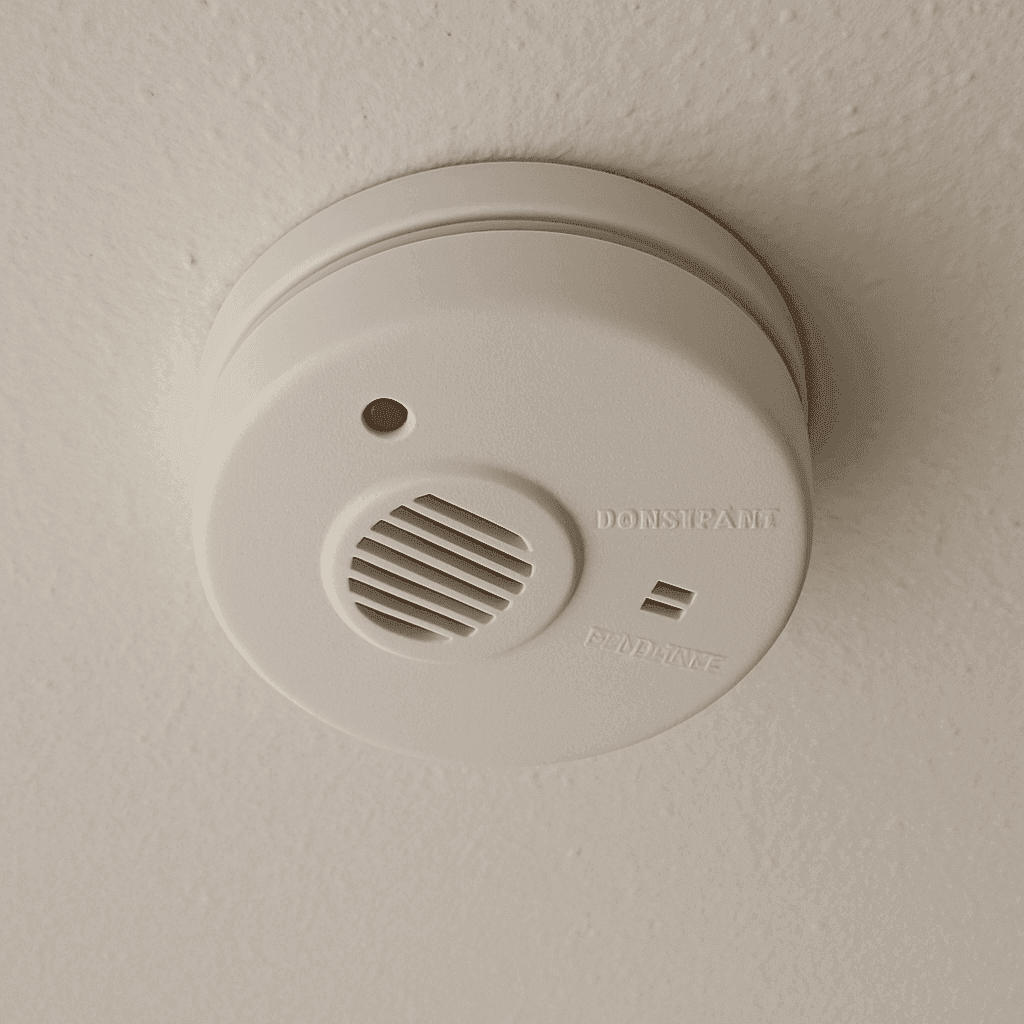
The most visible parts are the system’s ‘senses’: the Detectors. These are the small, usually white, plastic discs on the ceiling of your apartment, office, or hallway. Some are designed to "smell" smoke, while others "feel" a sudden spike in heat. Meeting the UAE’s stringent smoke detector requirements for apartments means these devices are strategically placed to provide the earliest possible warning of a potential fire.
When a detector senses danger, the system needs a ‘voice’ to warn everyone. This is the job of the Alarms, which include loud bells or sirens and bright, flashing strobe lights designed to alert people who may be hearing-impaired. But what if you spot a fire before a detector does? The red boxes on the wall labeled "Break Glass" are Manual Call Points. They are your emergency button, allowing anyone to trigger the alarm system instantly.
All these signals—from detectors and manual call points—rush to one central location: the system’s ‘brain’. This is the Fire Alarm Control Panel (FACP), a sophisticated box usually tucked away in a service room. It processes all incoming information, decides when to activate the alarms, and in most modern buildings, automatically notifies Civil Defence. Because this brain is so critical, only certified professionals are allowed to handle the fire system services that keep it functioning perfectly, ensuring every part of the system is ready to protect you.
Heat vs. Smoke: Why Your Kitchen and Bedroom Have Different Alarms
Have you ever set off the alarm just by boiling pasta or searing a steak? It’s a common frustration, but it hints at the sophisticated thinking behind your building's safety. Not all detectors are the same; they are specialized "senses" placed strategically. The detector that reacts to steam isn't faulty—it’s just a different type from the one in your bedroom, and this distinction is crucial for both preventing nuisance alarms and ensuring your safety.
Most of the detectors in your home are Smoke Detectors. Think of them as the system's "nose." They are designed to sense tiny particles in the air, making them incredibly effective at spotting the first wisps of smoke from a smoldering fire. This is why the strict smoke detector requirements for apartments in the UAE mandate their placement in hallways and living areas, where early warning is a matter of life and death.
In contrast, the alarm in your kitchen is likely a Heat Detector. This device acts as the system's "skin," ignoring smoke, steam, and cooking fumes entirely. It only triggers when it feels a rapid and significant increase in temperature—the kind caused by a real kitchen fire. This intelligent fire alarm installation shows the importance of these life-saving systems, ensuring you get the fastest alert in a real emergency without the constant annoyance of false alarms. This same principle of using the right technology for the right environment is what led to specialized systems for different types of homes.
What Is Hassantuk and Why Is It Mandatory for UAE Villas?
While apartment buildings rely on large, shared fire alarm systems, the UAE government implemented a smarter, more direct solution for standalone homes. This mandatory system is called Hassantuk for villas, an Arabic phrase meaning "Protect You." It's more than just a local alarm; it's a 24/7 smart safety system designed specifically to give villa residents the fastest possible emergency response, directly connecting their homes to the authorities.
The true power of the Hassantuk for villas safety system lies in its direct line of communication. In a typical system, an alarm simply makes a loud noise, relying on someone to hear it and call for help. Hassantuk, however, works automatically. The moment a smoke or heat detector is triggered, the system instantly sends an electronic alert directly to a central command center. This center verifies the alarm and immediately dispatches Civil Defence to your villa, cutting out dangerous delays.
This technology provides unparalleled peace of mind. Whether you are asleep, at work, or on vacation, your home is being actively monitored. This direct-to-Civil-Defence alerting is a cornerstone of the UAE fire safety codes for villas, ensuring that every home has an immediate, professional response team on the way during an emergency. This Civil Defence approval for fire systems isn't just about rules; it’s about creating a safety net for every family.
Whose Job Is It Anyway? Clarifying Responsibility for Your Fire Alarm
When a fire alarm system is mandatory, it brings up a crucial question: who is actually responsible for it? If you hear a detector beeping or see a fault light in the hallway, what are you supposed to do? Understanding the division of duties is key to ensuring safety without confusion.
In the UAE, the law is very clear on this. The ultimate legal and financial responsibility for installing and maintaining a fully functional, Civil Defence-approved fire alarm system falls squarely on the landlord or building owner. This isn't a cost that can be passed on to tenants. It is their duty to ensure the property they rent out is safe and compliant.
To make it simple, think of the responsibilities like this:
Your Role (The Tenant): Your job is to be the eyes and ears. Report any issues—like a detector beeping or a visible fault—to your building management immediately. Crucially, you must never tamper with, cover, or remove any fire safety device. The Landlord/Building Owner’s Role: They are legally required to pay for the installation and annual upkeep of the system. This includes having a fire alarm maintenance contract with a certified company to ensure everything works perfectly. Building Management’s Role: They are your first point of contact. When you report a fault, they are the ones who arrange for the certified maintenance company to carry out the repairs. So, while you aren’t responsible for the cost of repairs, you play a vital part in the safety chain by reporting problems promptly. This professional upkeep is what keeps the system reliable year after year.
The Annual ‘Health Check’: Why Your Building Needs a Fire Maintenance Contract
That professional upkeep is formally known as an Annual Maintenance Contract (AMC). Think of it as a mandatory, top-to-bottom health checkup for the building's entire fire safety system. This isn't a task for a regular handyman; UAE law requires it to be carried out by one of the specialist DCD approved companies. These are firms that have been licensed by the Dubai Civil Defence, proving they have the right tools and expertise to ensure the system meets the country’s strict safety standards.
During this yearly inspection, certified technicians methodically test every component. They'll trigger smoke and heat detectors to ensure they’re sensitive, sound the alarms to check they’re loud and clear, and confirm the main control panel—the system's brain—is working flawlessly. Their goal is to simulate an emergency and verify that every part of the system does its job exactly as intended, from the smallest sensor in your apartment to the main alarms in the building lobby.
Upon successful completion of this thorough check, the building is issued its annual Fire Safety Certificate. This document is the official proof that the property is compliant and safe for occupation. It provides peace of mind not only to you and your neighbors but also to the authorities, confirming that the life-saving system standing guard over your home is ready to respond at a moment's notice.
Your Simple Role in a Powerful System: What to Do and What to Avoid
That piercing alarm from a bit of cooking smoke no longer needs to be just an annoyance. You now see it for what it is: the sound of a highly sophisticated system standing guard. You’ve moved from simply hearing the noise to understanding the ‘why’ behind the UAE’s strict Civil Defence requirements, recognizing the network of detectors, panels, and alarms designed for your protection.
This system is a partnership, and your role is crucial. The importance of fire suppression systems relies on everyone playing their part. Here are the simple dos and don'ts that make you an active partner in your own fire safety UAE strategy:
| DO | DON'T | | :--- | :--- | | Take every alarm seriously. | Cover or paint over smoke detectors. | | Know your two nearest emergency exits. | Disable a detector, even temporarily for cooking. | | Report any beeping or faults immediately. | Block fire doors or escape routes. |
By following these simple guidelines, you're doing more than just complying; you're strengthening the chain of protection for everyone in your building. Each time you report a fault or ensure an exit is clear, you are actively participating in the nation-wide commitment to safety. The next time you see that detector on the ceiling, you won't just see a piece of plastic. You'll see a promise of security—a promise you now know exactly how to uphold.
Related services: Fire alarm systems · Fire fighting systems
About the Author

Share this article
Connect With Us
Our Office Locations
Abu Dhabi
Head Office
Dubai
Branch Office
India
Branch Office - Calicut